



Phlebology · Vascular diagnostics · Aesthetic medicine
Varicose veins, spider veins and haemorrhoids in Naples
Centro Medico Gargano in Naples
Dr Ciro GarganoMedical Doctor, Interventional Vascular Radiologist with a specialist focus in Phlebology and Venous Haemodynamics
At Centro Medico Gargano in Naples you will find phlebology and vascular diagnostics with colour duplex ultrasound, aesthetic medicine for face and body and assessment and treatment of haemorrhoids. Every journey starts with a medical assessment and is personalised based on needs, clinical picture and agreed objectives.
Via Marchese Giuseppe Palmieri 71 · Naples
081 780 9641 · Contacts and directions
What is your
starting point?
Discover the centre’s pathways. To select a service and an appointment, go to the Book page.
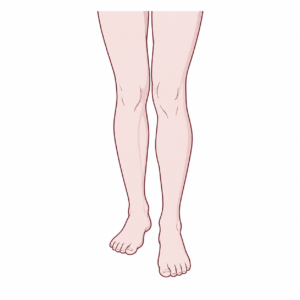
Varicose veins
Assessment of venous circulation and treatment options according to the clinical findings.
Explore care for varicose veinsSpider veins on the legs
Assessment of visible spider veins and reticular veins on the legs before choosing a treatment.
Explore care for spider veins
Haemorrhoids
Assessment and outpatient treatment of haemorrhoids, with sclerotherapy when indicated.
Initial consultation and treatment optionsOther services at the centre
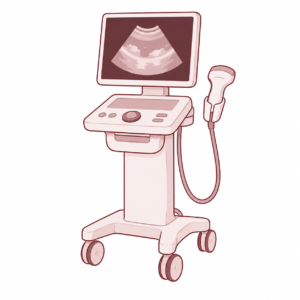
Ultrasound and colour duplex ultrasound
Examinations by body area: view fees and what each service includes.
Examinations and information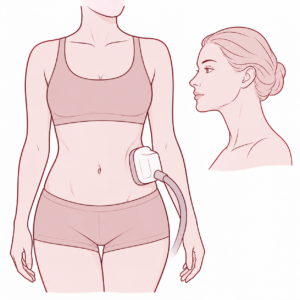
Aesthetic medicine and surgery
Face and body: fillers, botulinum toxin, cryolipolysis and intralipotherapy.
Face and body treatments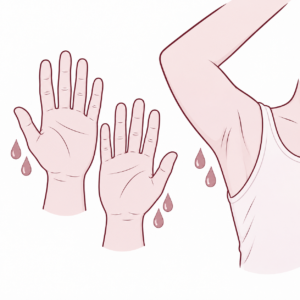
Excessive sweating
Hyperhidrosis of hands and armpits: assessment and treatment options.
Information on hyperhidrosis
Infusion therapies
Pathways to be considered following medical assessment and indication.
Information on therapiesA phlebology consultation is included with venous duplex ultrasound of the lower limbs during regular clinic hours. For each examination, check the relevant service page for fees and inclusions.
Do you already have a doctor’s referral? Consult services, prices and availability.
Ask the reception →Phlebology and Colour Duplex Ultrasound
A specialist path in Naples
Those looking for a vascular specialist in Naples, a phlebologist in Naples or a centre for venous duplex ultrasound in Naples will find at Centro Medico Gargano a pathway oriented first towards diagnosis and then the choice of treatment. The specialist assessment is carried out by Dr Ciro Gargano with a medical approach proportioned to the clinical picture.
The main requests concern varicose veins, leg capillaries, sclerotherapy and the assessment of swollen or heavy legs in Naples. Every indication is evaluated during the consultation, avoiding unnecessary treatments.
The studio is located in Naples at Via Marchese Giuseppe Palmieri 71. For address, telephone and practical information you can consult the Contact page.
What we do
Phlebologist NaplesSpecialist assessment for venous disorders, varices, capillaries and circulatory problems of the lower limbs.
Ultrasound and Colour Duplex UltrasoundUltrasound and vascular examinations for various body areas. Venous colour duplex ultrasound of the lower limbs allows for the study of the venous system and guides treatment.
Varicose veins NaplesTreatment for varicose veins in Naples is personalised based on the clinical picture and the results of the colour duplex ultrasound.
Capillaries and telangiectasiaAssessment of visible capillaries with sclerotherapy and VeinGogh and choice of the most suitable treatment when indicated.
Swollen and heavy legsAssessment of heaviness, evening swelling, cramps, oedema and circulation disorders.
Lymphoedema and lipoedemaDifferential diagnosis between venous, lymphatic and adipose problems of the lower limbs.
Why choose Centro Medico Gargano
- Colour duplex ultrasound performed personally.
- Experience dedicated to phlebology.
- Minimally invasive techniques.
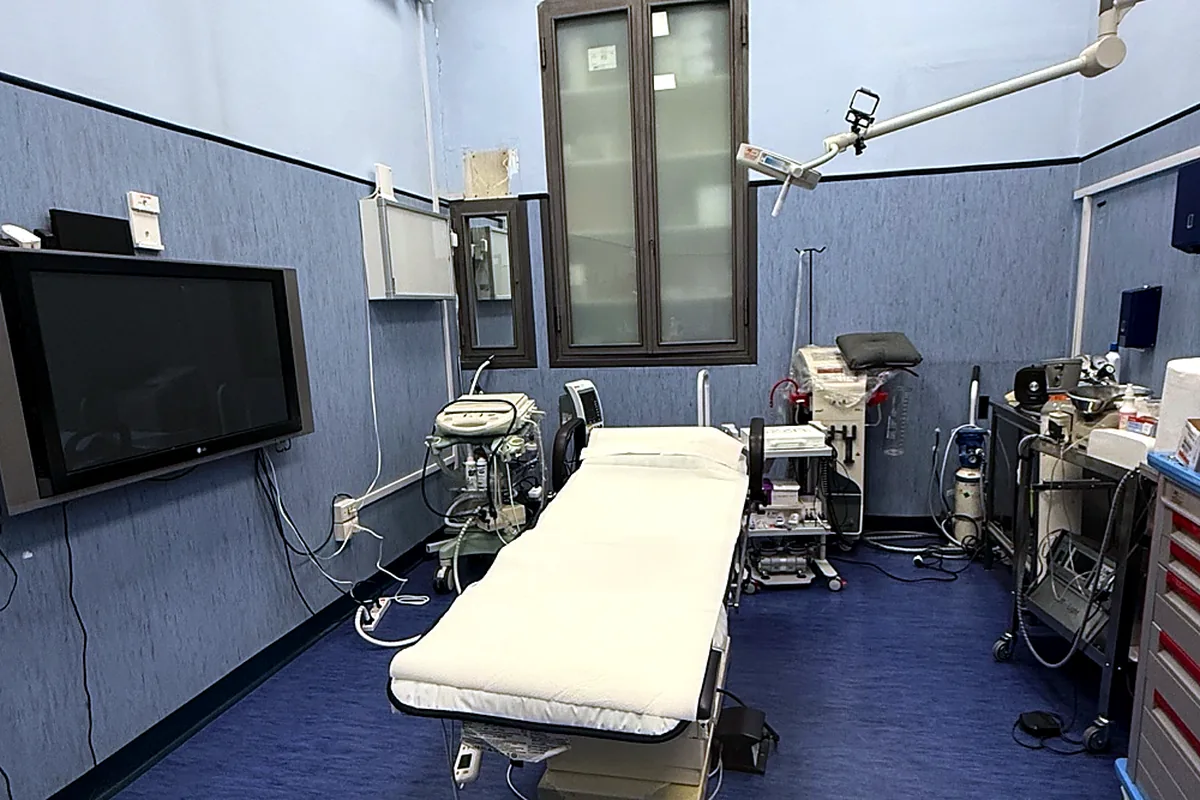
- Authorised operating theatre.
- Personalised diagnostic and therapeutic path.
Vein health at Centro Medico Gargano
Vein care is at the heart of Centro Medico Gargano in Naples. Dr Ciro Gargano has practised phlebology for many years, guiding patients from understanding their symptoms to choosing treatment and attending follow-up appointments.
Varicose veins, visible thread veins, swollen or heavy legs can prompt people to seek an assessment for different reasons. The process begins with listening: understanding the symptoms, their impact on everyday life and the person's needs gives the consultation a clear focus.
From consultation to diagnosis with colour duplex ultrasound
The consultation includes taking a medical history, assessing symptoms and examining the legs. When indicated, it is complemented by venous colour duplex ultrasound, performed personally by Dr Gargano, to assess circulation, identify any reflux and guide treatment decisions.
This assessment is carried out before sclerotherapy and allows treatment to be planned according to the characteristics of the venous system. The findings are explained clearly to the patient, with time for questions and discussion of the available treatment options.
Treatment chosen on the basis of the diagnosis
Each person's circumstances are different. Care may include monitoring over time, compression therapy, or outpatient and minimally invasive treatments, such as sclerotherapy or radiofrequency treatment, when indicated.
The choice takes into account symptoms, the characteristics of the veins and individual needs. The expected benefits, limitations and necessary follow-up are explained for each option, helping the patient approach treatment with a clear understanding.
Attention to leg health continues after treatment through follow-up and the guidance agreed during consultations.
Learn more about the diagnosis and treatment of varicose veins →
Other treatments and services
Sclerotherapy
Outpatient treatment for reticular veins, spider veins and telangiectasias, performed after a vascular assessment with colour duplex ultrasound.
Haemorrhoid sclerotherapy
Minimally invasive option for certain haemorrhoidal conditions, assessed on a case-by-case basis.
Minimally invasive treatment of the saphenous vein
In cases of saphenous insufficiency, following clinical assessment and colour duplex ultrasound, minimally invasive treatments such as endovenous radiofrequency or ultrasound-guided sclerotherapy with a long catheter and sclerosant foam prepared with the Varixio system may be indicated. The choice of technique depends on the ultrasound findings, the vein diameter, the distribution of reflux and the patient’s clinical characteristics.
Carboxytherapy
Medical treatment selected for vascular, microcirculatory and aesthetic indications when appropriate.
Aesthetic medicine of the face
Aesthetic medical treatments for the face are available at Centro Medico Gargano, including botulinum toxin, micro-botulinum, treatment of hyperhidrosis with botulinum toxin, fillers, lip fillers, non-surgical nose reshaping with fillers and biorevitalisation. Each treatment is recommended after a medical assessment, based on the patient’s characteristics and the clinical and aesthetic objective.
Body treatments and outpatient surgery
For body contouring and localised adiposity, treatments such as mesotherapy, radiofrequency, cavitation, intralipotherapy, cryolipolysis and combined pathways can be evaluated. Treatment of pseudogynecomastia. In indicated cases, thanks to the presence of an authorised operating theatre, surgical treatments such as liposuction can also be evaluated.
Treatment for Hyperhidrosis
Infusion therapy and regenerative treatments
At Centro Medico Gargano, infusion therapy paths can be evaluated, including vitamin protocols such as the Myers’ Cocktail, and selected regenerative treatments, always after medical evaluation and personalised indication.
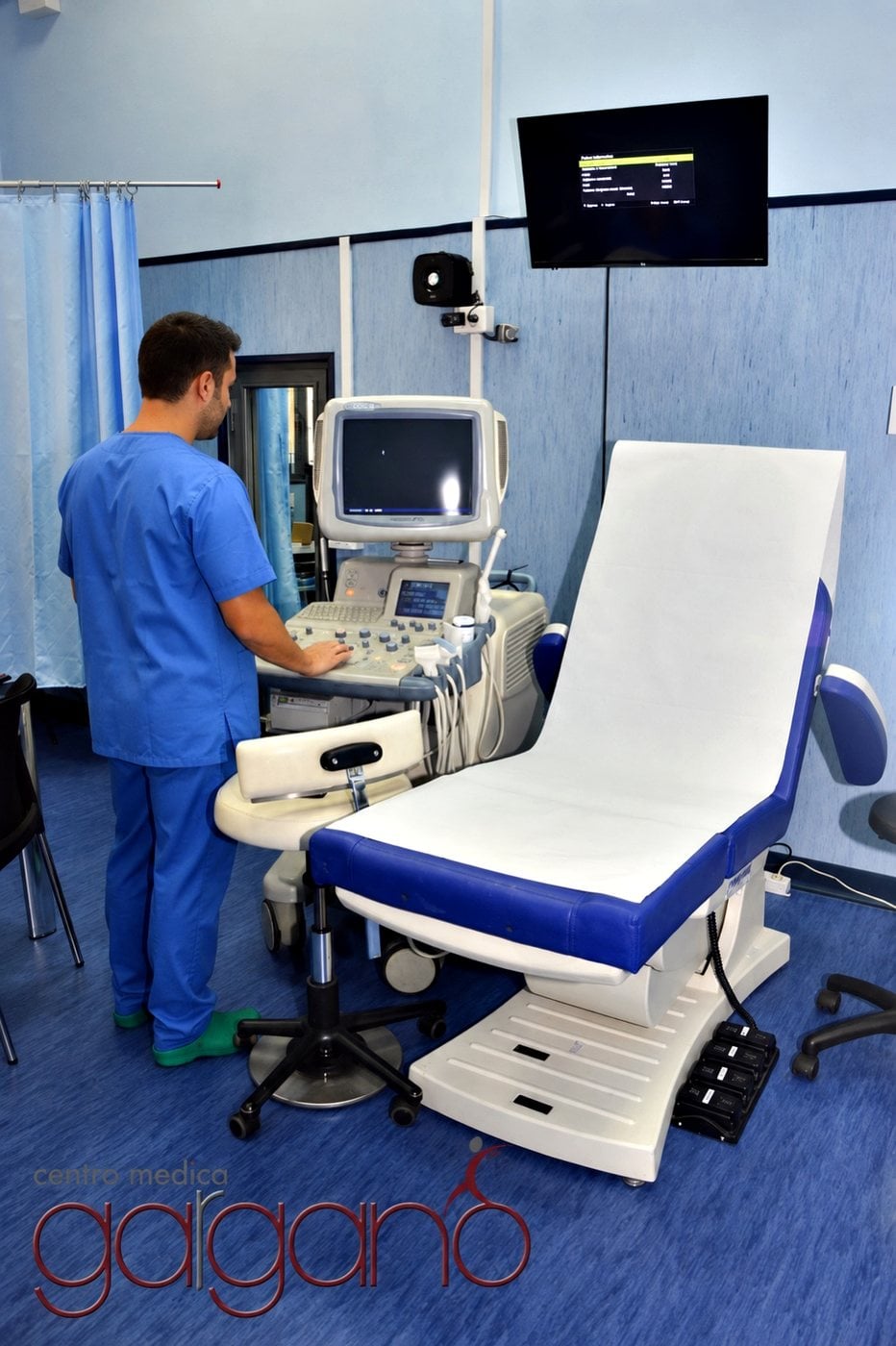
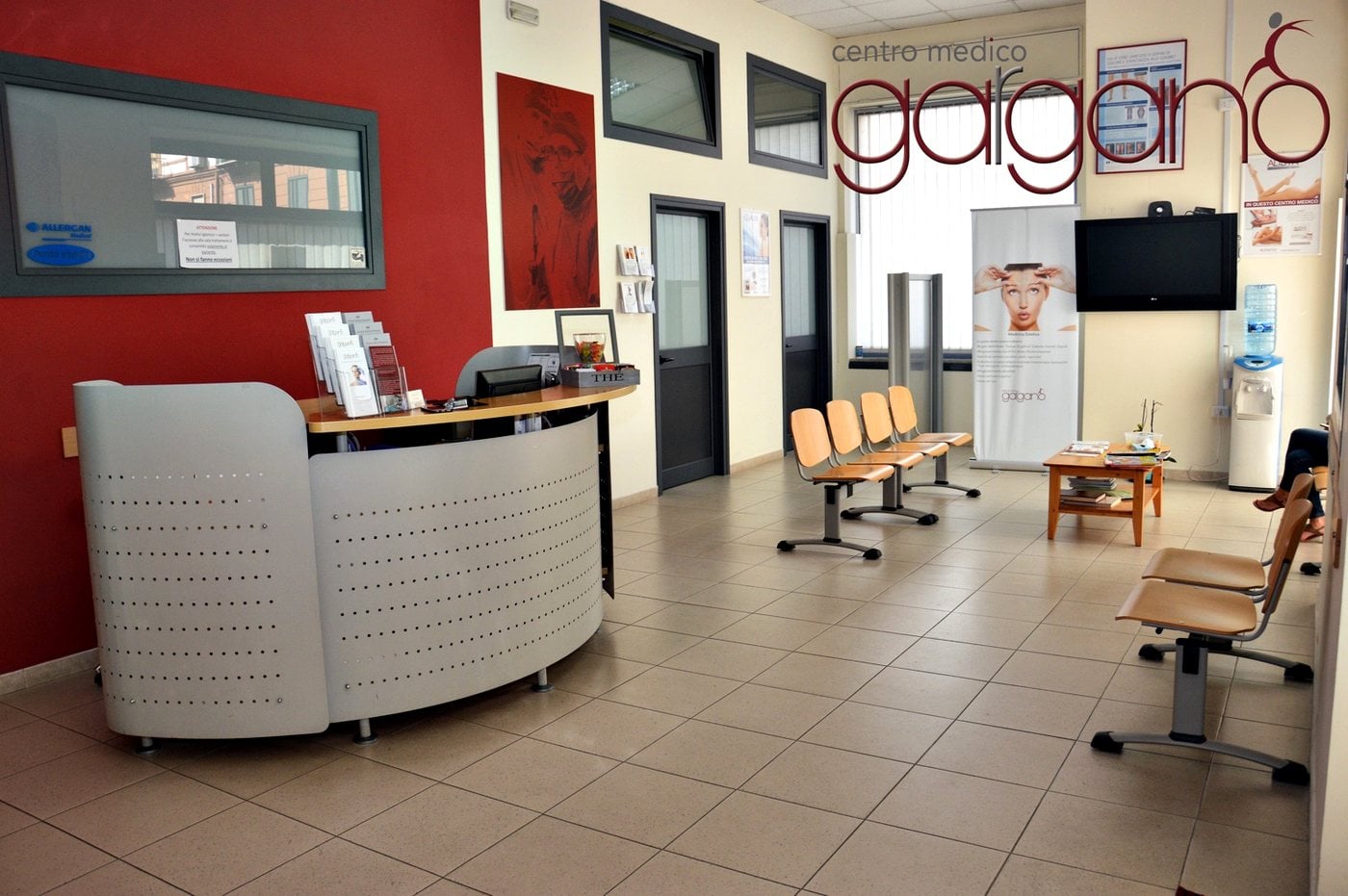
The Centro Medico Gargano in Naples
The clinic is located at Via Marchese Giuseppe Palmieri 71, Naples. Consultations, examinations and outpatient treatments follow the pathway agreed during the medical assessment.
How to reach us and contact the centre →

What they say about us
Patient opinions help to understand the care experience at Centro Medico Gargano. You can read the page dedicated to patient reviews.
Book a specialist assessment at Centro Medico Gargano
Choose the correct path directly. For vein or spider vein concerns in your legs, book lower-limb venous colour Doppler ultrasound with a phlebology consultation. Any treatments are scheduled exclusively after the assessment performed by Dr. Ciro Gargano at the Centro Medico Gargano.
Consult services, prices and availability. If you are unsure which service to choose, the reception can help guide your request.
Prefer to call? 081 780 9641 · Reception: Monday–Friday, 09:00–19:00.