



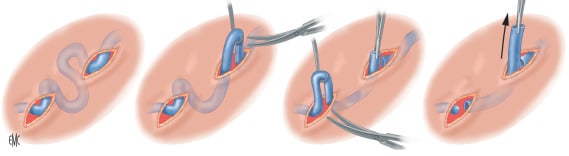
The procedure known as ambulatory phlebectomy is minimally invasive and removes selected superficial varicose veins through small skin incisions. It may be considered for visible or palpable varicose tributaries when the clinical and anatomical findings make it appropriate. It is not an automatic solution for all varicose veins and may be performed alone or combined with other treatments.
When it may be indicated
Phlebectomy may be considered for superficial varicose veins whose size, course or location makes them suitable for removal through micro-incisions. The indication also depends on symptoms, expectations, general health, previous treatments and the presence of venous reflux. Before the procedure, venous colour Doppler ultrasound may be needed to examine the superficial and deep venous systems and establish the overall strategy.
How the procedure is performed
- Mapping: the veins to be treated are identified and marked on the skin.
- Local anaesthesia: the relevant area is anaesthetised according to the doctor’s plan.
- Micro-incisions: segments of selected veins are removed through small openings in the skin using dedicated instruments.
- Dressings and compression: dressings and, where appropriate, compression are applied afterwards, with individual instructions.
- Review: follow-up is planned according to the extent of the procedure and any other treatments performed.
Original video. Audio and on-screen text have not been translated.
Phlebectomy, sclerotherapy or saphenous vein treatment
The choice depends on the site of reflux and the type of vein. Sclerotherapy may be indicated for selected vessels, whereas saphenous vein treatment addresses insufficiency of the saphenous trunks. Phlebectomy mainly treats superficial tributary veins. Techniques may be combined in some patients; in others, a conservative approach or a different treatment is preferable.
Recovery and daily activities
Recovery times vary according to the number and location of the veins removed, the extent of the procedure, the patient’s condition and any associated treatments. Bruising, tightness, tenderness or hardening along the treated areas may occur after phlebectomy. Advice about walking, exercise, work, dressings and compression is provided individually; an immediate or identical return to activities cannot be guaranteed for everyone.
Results and limitations
The procedure directly removes selected veins but does not remove the predisposition to venous disease. New varicose veins may develop over time, or further treatment may be needed. The incisions are small, but scarring, pigmentation and the skin’s response can vary. Aesthetic and functional results depend on the initial condition and cannot be guaranteed in advance.
Possible risks and adverse effects
Alongside local pain, bruising and temporary swelling, bleeding, superficial inflammation, altered skin sensation, pigmentation, infection or more noticeable scarring than expected may occur. Thrombotic events are less common but must be considered during assessment and informed consent. This list is not exhaustive: individual risks and preventive measures are discussed before the procedure.
Assessment at Centro Medico Gargano
Assessment is carried out by Dr Ciro Gargano, who always personally performs a careful colour Doppler ultrasound examination with venous mapping before any medical or surgical treatment of the venous system. This is essential to obtain a complete clinical picture and plan safe, effective treatment. The aim is to establish whether phlebectomy is appropriate and how it should fit into the overall treatment of venous insufficiency. For an overview of alternatives, see the page about varicose veins in Naples.
Reference sources
Assessment of varicose tributaries and combining phlebectomy with other treatments are described in the ESVS guidelines on chronic venous disease and the NICE guideline on the diagnosis and management of varicose veins. General recommendations do not replace individual treatment decisions.
