




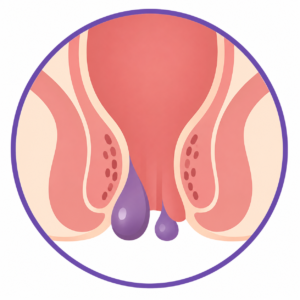
Haemorrhoids are normal vascular structures in the anal canal. The term haemorrhoidal disease is used when they cause symptoms, such as bleeding, prolapse, itching, hygiene difficulties or pain in some circumstances. Addressing constipation and bowel habits may reduce symptoms and the risk of worsening, but it does not guarantee that the problem will not develop or recur.
1. Increase fibre gradually
Fruit, vegetables, pulses and wholegrains help produce softer, formed stools. Guidelines recommend fibre and improved bowel habits as the first intervention for patients with haemorrhoid symptoms. Increasing fibre too quickly may cause bloating or wind; a fibre supplement may be considered in some cases.
2. Drink an amount appropriate to your circumstances
Fluids help fibre work, but there is no fixed quantity suitable for everyone. Individual needs, climate, physical activity, diet and heart or kidney conditions should be considered. There is no need to force yourself to drink two litres a day when medical advice differs.
3. Avoid straining during bowel movements
Prolonged straining increases pressure on haemorrhoidal structures. It is better not to persist when a bowel movement does not occur and to address the cause of hard stools or difficulty passing them. Laxatives and other products should not be used long term without appropriate assessment.
4. Limit time spent on the toilet
Sitting on the toilet for a long time, including while using a phone or tablet, prolongs straining and local pressure. Respond to the urge without postponing it, but avoid prolonged sessions and repeated attempts.
5. Manage both constipation and diarrhoea
Constipation is not the only concern: frequent bowel movements and diarrhoea may irritate the anal area and worsen symptoms. Persistent symptoms warrant investigation of the cause. Medicines such as opioids, iron and other products may change bowel habits, but you should not stop them on your own.
6. Move regularly
Physical activity suited to your health supports bowel regularity and weight management. However, no specific exercise can prevent or cure haemorrhoids. During a painful episode, some activities may need temporary adjustment.
7. Maintain hygiene without irritating the skin
After a bowel movement, gentle cleaning is preferable, avoiding rubbing, harsh cleansers and scented wipes if they cause irritation. Spicy foods and alcohol are not universal causes of haemorrhoids: they can be limited if you notice a repeatable link with your symptoms, without imposing blanket exclusions.
Bleeding should not automatically be attributed to haemorrhoids
Blood requires clinical assessment, particularly if bleeding is new, recurrent or associated with anaemia, altered bowel habits, abdominal pain, weight loss or a family history of colorectal disease. Even after haemorrhoids have been diagnosed, persistent bleeding warrants reassessment. Necessary investigations depend on age, symptoms and screening programmes.
When to see a doctor
A consultation is appropriate when bleeding, prolapse, itching, pain or hygiene difficulties persist despite conservative measures. A suddenly appearing anal lump with severe pain may indicate a thrombosed external haemorrhoid and requires prompt assessment. Fever, increasing pain, discharge or significant bleeding should not be managed solely with home remedies.
When everyday habits are not enough
In appropriate cases, medical treatments, rubber band ligation, sclerotherapy and other outpatient or surgical procedures may be considered. Haemorrhoid sclerotherapy is one option for selected internal haemorrhoids: it is not always painless, not automatically more effective than alternatives and does not replace surgery for every patient.
Reference source
The recommendations are consistent with the 2024 American Society of Colon and Rectal Surgeons guidelines, which recommend dietary and behavioural changes as initial treatment and advise against automatically attributing rectal bleeding to haemorrhoids.
Preventing haemorrhoids: further reading and limitations
To distinguish everyday habits from other options, read the guidance on haemorrhoid supplements: evidence and limitations and the frequently asked questions about sclerotherapy.
For an assessment, see the page about haemorrhoid treatment in Naples or book your first consultation. Care at the clinic is provided by Dr Ciro Gargano: CV and professional qualifications.
